Custom-made a target weight combination machine involves several steps, encompassing the definition of requirements, conceptual design, detailed design, prototyping, testing, and refinement. Below is a comprehensive guide to designing such a machine.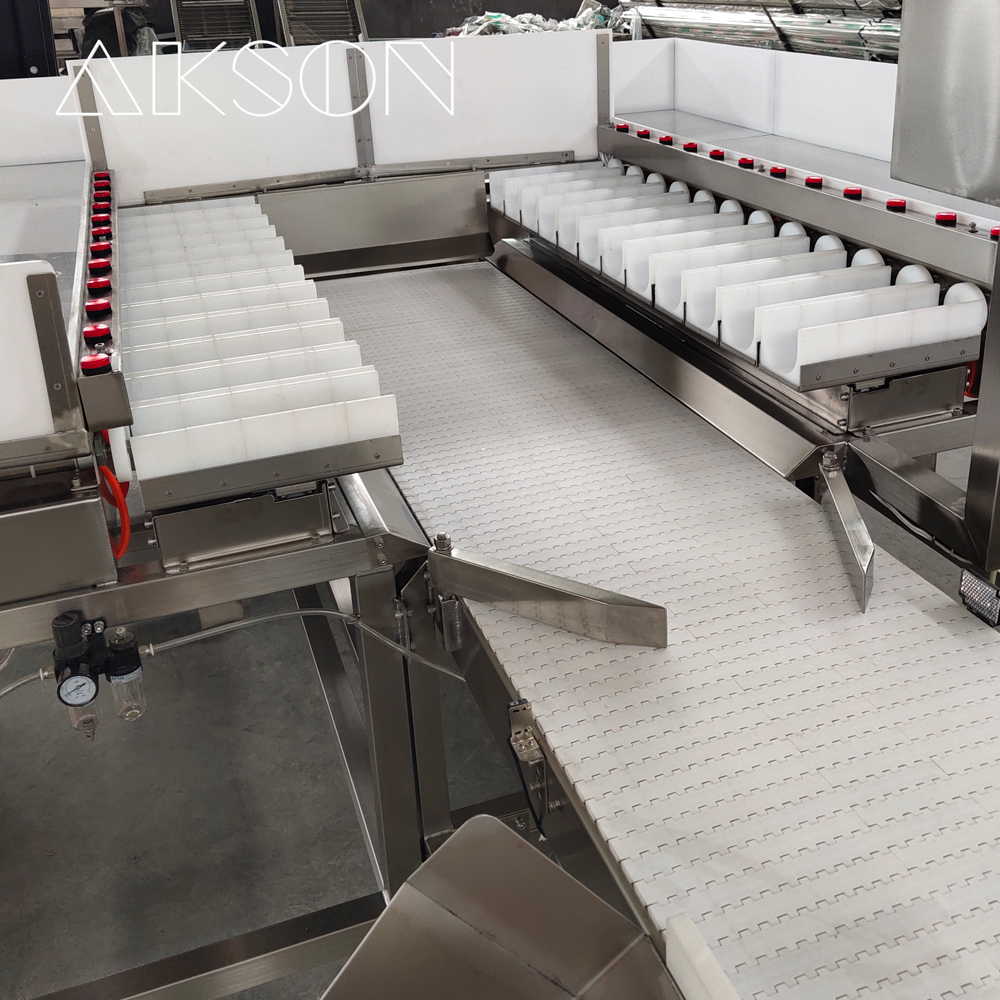
1. Define Requirements
Objectives and Goals:
Determine the target weight ranges.
Specify the accuracy and precision requirements.
Define throughput needs (e.g., number of weighments per minute).
Constraints:
Budget limitations.
Size and weight for product constraints (minimum size, max size, min weight and max weight).
Environmental conditions (temperature, humidity, etc.).
User Requirements:
User interface specifications.
Maintenance and operational considerations.
2. Conceptual Design
System Overview:
Develop a high-level overview of the system, including major components like load cells, hoppers, conveyors, and control systems.
Block Diagram:
Create a block diagram to illustrate how the components interact. Include sensors, actuators, controllers, and data processing units.
3. Detailed Design
Mechanical Design:
Load Cells: Select appropriate load cells based on weight range and accuracy.
Hoppers: Design hoppers for smooth material flow and minimal retention.
Conveyors: Design conveyor systems for efficient material transport.
Framework: Design a robust framework to support all components.
Electrical Design:
Control System: Select a suitable PLC or microcontroller for controlling the system.
Sensors: Incorporate sensors for weight measurement, position detection, and other necessary parameters.
Actuators: Choose actuators (e.g., motors, solenoids) for controlling gates and conveyors.
Software Design:
Control Algorithms: Develop algorithms for accurate weight combination, considering speed and precision.
User Interface: Design a user-friendly interface for operation and monitoring.
Data Handling: Ensure proper data logging and communication protocols.
Integration:
Ensure all mechanical, electrical, and software components integrate seamlessly.
4. Prototyping
Build Prototype:
Assemble a prototype based on the detailed design.
Ensure all components are properly installed and connected.
Initial Testing:
Perform initial tests to check basic functionality.
Verify the operation of load cells, hoppers, and control systems.
5. Testing and Refinement
Performance Testing:
Conduct thorough testing to evaluate performance against target specifications.
Test for accuracy, precision, and throughput.
Optimization:
Identify any issues or inefficiencies and refine the design.
Adjust control algorithms and mechanical components as necessary.
Reliability Testing:
Test for long-term reliability and stability.
Perform stress tests to ensure durability.
6. Documentation
Technical Documentation:
Document all design specifications, including mechanical drawings, electrical schematics, and software code.
Provide detailed instructions for assembly, operation, and maintenance.
User Manual:
Create a user manual with clear instructions for operating the machine.
7. Finalization
Production Readiness:
Finalize the design for production.
Ensure all components are readily available or manufacturable.
Compliance:
Ensure the machine meets all relevant industry standards and regulations.
Training:
Provide training for operators and maintenance personnel.
8. Deployment
Installation:
Install the machine at the intended location.
Perform on-site testing to ensure proper operation.
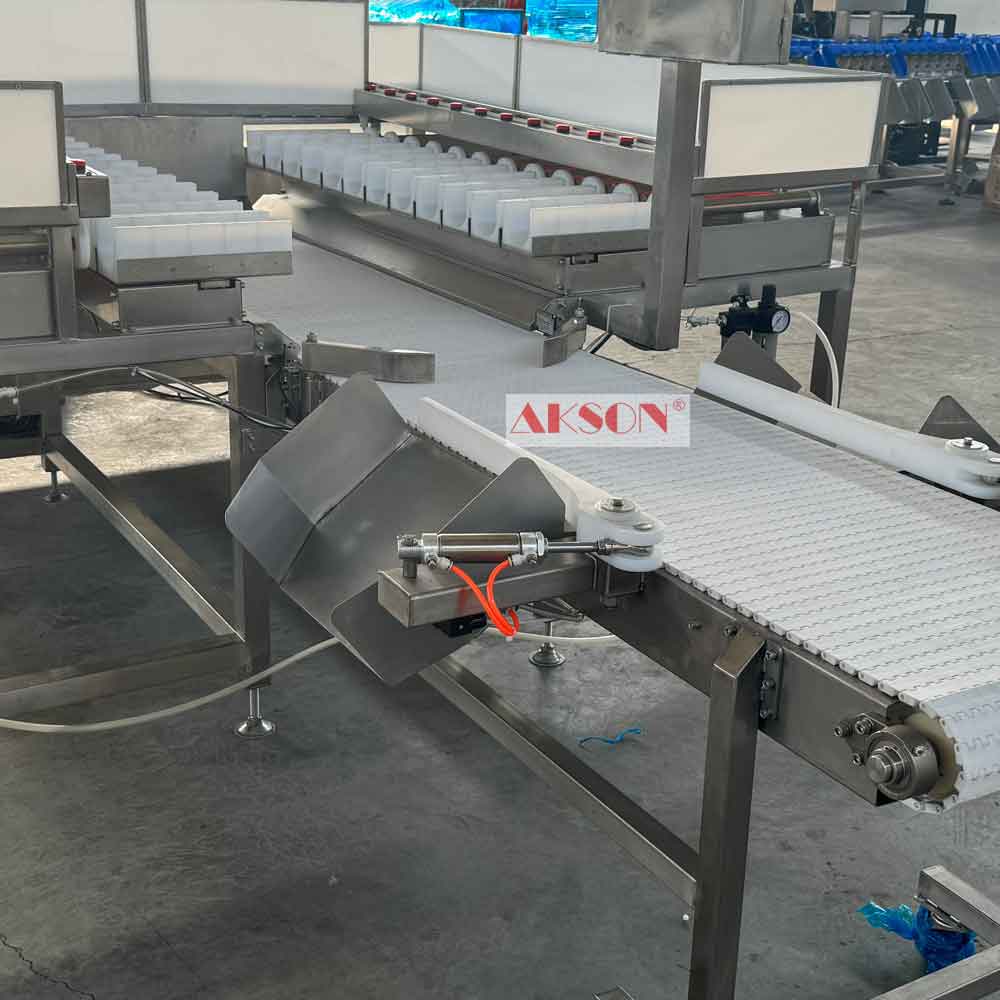 Ongoing Support:
Provide ongoing support for troubleshooting and maintenance.
Example Design Components
Load Cells: Strain gauge load cells for high precision.
Hoppers: Stainless steel hoppers with smooth interior surfaces.
Control System: PLC with touch screen HMI for user interaction.
Sensors: High-precision weight sensors.
Actuators: Stepper motors for precise control of gates and conveyors.
Design Considerations
Accuracy vs. Throughput: Balance between high accuracy and high throughput.
Material Flow: Ensure materials flow smoothly without clogging or retention.
Ease of Maintenance: Design for easy access to components for maintenance.
By following these procedures, you can systematically design a target weight combination machine that meets specified requirements and operates efficiently and reliably.